

When it comes to everyday essentials, the fabric next to your skin matters more than most people realise. Organic cotton has quietly become one of the most talked-about materials in menswear, and for good reason. From environmental responsibility to genuine physical comfort, the case for choosing organic cotton in men’s underwear is both compelling and straightforward.
What to know
- Organic cotton production significantly reduces environmental damage by eliminating the use of toxic pesticides, synthetic fertilizers, and genetically modified seeds.
- Farming practices for organic cotton promote better soil health and water conservation compared to conventional cotton methods.
- The natural fibre structure of organic cotton offers superior breathability and moisture management, making it ideal for daily comfort.
- Organic cotton is hypoallergenic and free from chemical residues, providing a safer and less irritating option for men with sensitive skin.
- Choosing GOTS-certified organic underwear supports ethical manufacturing practices and contributes to a more sustainable fashion ecosystem.
- Proper care of high-quality organic garments ensures they remain soft and durable, representing a long-term investment in both personal well-being and the environment.
How organic cotton cultivation supports environmental protection
Reduced chemical usage in farming practices
Conventional cotton farming carries a surprisingly heavy environmental footprint. Although it covers a relatively modest share of global agricultural land, it accounts for a disproportionately large portion of the world’s insecticide and pesticide consumption. This reliance on synthetic chemicals contaminates waterways, degrades ecosystems, and poses real health risks to farming communities. Organic cotton sidesteps all of this entirely. Grown without genetically modified seeds, synthetic fertilisers, or toxic pesticides, it represents a far cleaner approach to textile production. The brand Hemen Biarritz, for instance, uses GOTS certified organic cotton in its Albar boxer briefs, manufactured in Portugal with a clear commitment to ethical and sustainable practices.

Water conservation and soil health benefits
Beyond chemical reduction, organic farming methods make considerably better use of water. Studies within the broader textile industry suggest that organic cotton cultivation can use significantly less water than conventional methods, largely because healthier soils retain moisture more effectively. This improved soil structure also supports biodiversity, allowing native plant varieties and wildlife to thrive alongside the crop. Choosing sustainable underwear made from organically farmed cotton is therefore not simply a personal preference — it is a small but meaningful contribution to a more balanced agricultural ecosystem.
Why organic cotton enhances comfort and skin health in men’s undergarments
Breathability and moisture management properties
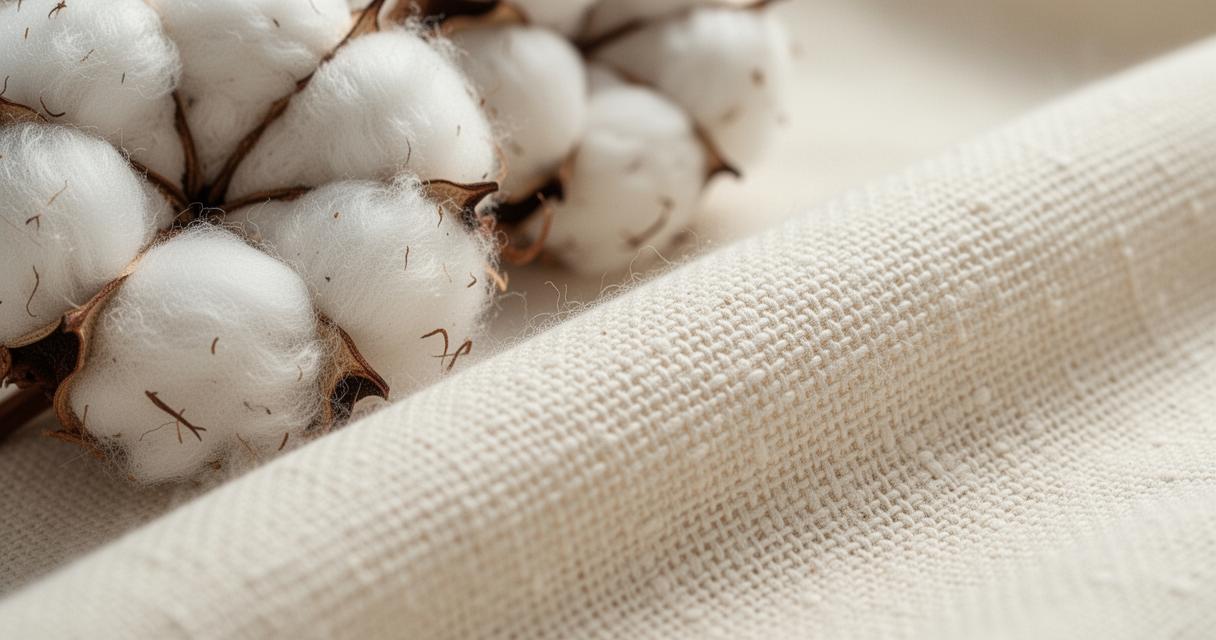
On a purely practical level, breathable cotton excels at keeping the wearer comfortable throughout the day. Its natural fibre structure allows air to circulate freely, reducing heat build-up and managing moisture effectively. For men who wear underwear during long working hours or physical activity, this moisture-wicking fabric quality makes a tangible difference. Organic cotton, free from chemical residues that can alter the fibre’s natural properties, tends to perform even better in this regard. The Albar boxer briefs from Hemen Biarritz are crafted from an extra soft cotton rib jersey, a construction that enhances both flexibility and ventilation, making them well suited to comfortable daily wear.
Hypoallergenic qualities for sensitive skin
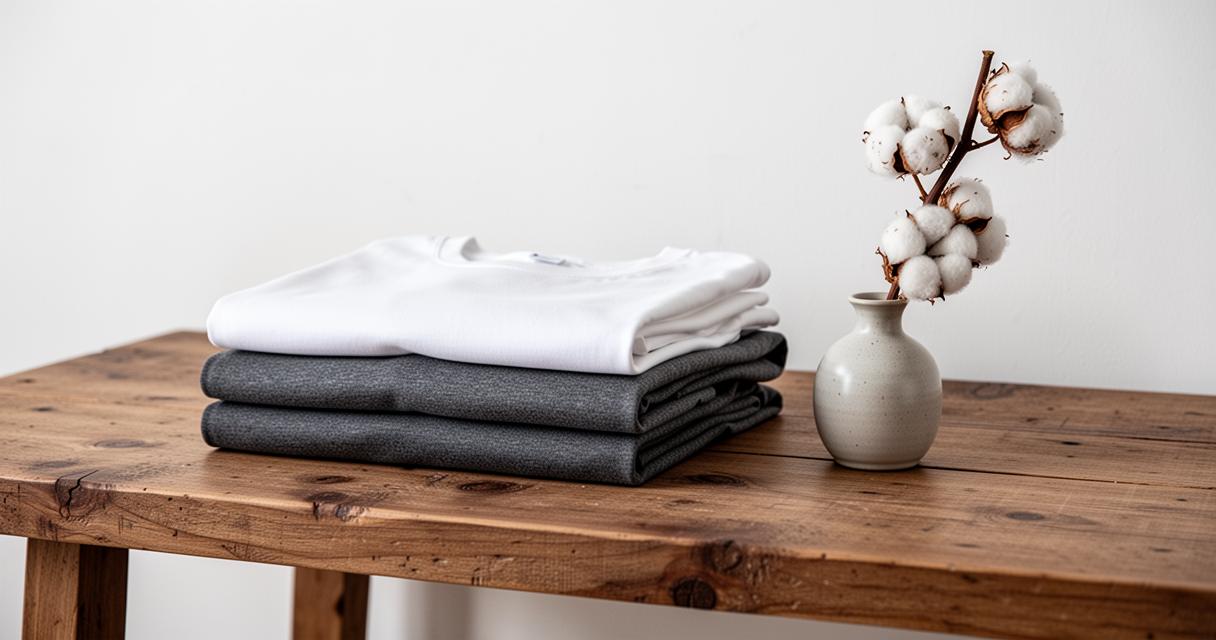
For anyone with sensitive skin, the absence of synthetic chemicals in organic cotton is particularly valuable. Conventional textiles often retain trace amounts of the substances used during farming and processing, and these residues can trigger irritation, redness, or allergic reactions over time. Hypoallergenic underwear made from certified organic fibres eliminates this concern at its source, offering a gentler experience without compromising on durability. With proper care — a gentle wash at 30°C and avoiding tumble drying — these garments are designed to maintain their shape and softness over an extended lifespan, making them a worthwhile investment in both comfort and eco-conscious apparel. In an era where the fashion industry is under increasing scrutiny for its environmental impact, opting for biodegradable textiles like organic cotton is one of the most straightforward ways to align everyday choices with broader values of sustainability and wellbeing.