

Modern enterprises are constantly seeking innovative solutions to optimise their operations and maintain a competitive edge in an ever-evolving marketplace. The integration of intelligent technology into corporate environments has become more than a trend; it represents a fundamental shift in how organisations manage resources, engage with clients, and cultivate a progressive workplace culture. Smart home appliances, once reserved for residential settings, are now proving their value in commercial contexts, offering a host of advantages that extend beyond mere convenience to deliver tangible improvements in operational performance and financial outcomes.
Enhancing workplace efficiency and corporate image
Adopting advanced technology within your business premises can transform daily operations while simultaneously projecting a forward-thinking brand identity. The ability to streamline tasks and present a modern image to clients and prospective employees alike creates a dual advantage that extends across multiple facets of corporate life. Smart devices have evolved to support various business functions, from regulating environmental conditions to facilitating seamless communication, all while reinforcing your organisation's commitment to innovation.
Boosting productivity through intelligent automation
Intelligent automation stands at the core of what smart appliances bring to commercial settings. By leveraging Internet of Things connectivity, these devices enable businesses to reduce manual intervention in routine tasks, freeing staff to focus on higher-value activities. Smart thermostats, for instance, learn occupancy patterns and adjust heating and cooling systems accordingly, ensuring optimal comfort without requiring constant human oversight. This capability not only enhances employee wellbeing but also minimises energy waste during unoccupied periods. Similarly, smart lighting systems respond to natural daylight levels and room occupancy, creating ideal working conditions while eliminating unnecessary consumption. The cumulative effect of such automation is a workplace where technology handles repetitive adjustments, allowing teams to concentrate on strategic initiatives and creative problem-solving. Data gathered from these systems can reveal usage patterns that inform better resource allocation, helping management make evidence-based decisions about space utilisation and operational scheduling. The benefits for your company extend into improved time management and reduced administrative burden, as automated systems handle tasks that previously required dedicated personnel or manual monitoring.
Strengthening your brand with cutting-edge technology
Corporate image plays a vital role in attracting both clients and talent in today's competitive landscape. Implementing smart technology throughout your premises signals a commitment to innovation and positions your organisation as a progressive employer. Prospective employees, particularly those from younger, tech-savvy generations, increasingly seek workplaces that embrace modern tools and demonstrate environmental consciousness. A facility equipped with intelligent devices conveys that your company values efficiency, sustainability, and employee comfort, factors that can differentiate your brand in recruitment efforts. Clients visiting your premises encounter a tangible demonstration of your forward-thinking approach, reinforcing confidence in your ability to deliver contemporary solutions. Smart locks and security systems offer not only enhanced protection but also present a professional image of controlled access and sophisticated operations management. Remote control features enable facilities managers to adjust environmental settings before meetings or events, ensuring spaces are perfectly prepared for visitors. This attention to detail, facilitated by technology, contributes to a polished customer experience that reflects positively on your brand values and operational standards.
Reducing operational costs and environmental impact
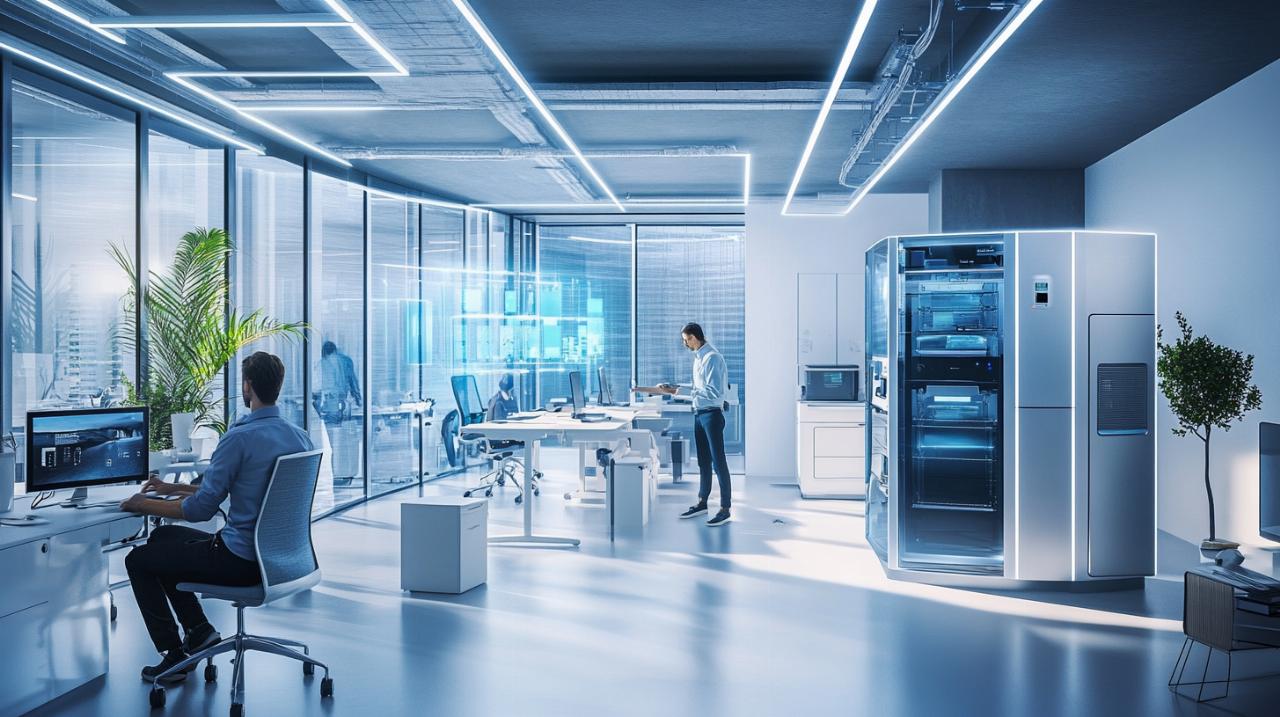
Financial prudence and environmental responsibility have become inseparable priorities for modern businesses. Smart appliances address both objectives by optimising resource consumption and reducing waste, delivering measurable improvements to the bottom line while supporting sustainability commitments. The capacity of these devices to monitor and adjust energy usage in real time creates opportunities for cost reduction that traditional equipment simply cannot match.
Achieving significant energy savings on utility bills
Energy expenditure represents a substantial portion of operational costs for most businesses, making any reduction in consumption directly beneficial to financial performance. Smart appliances equipped with sensors and connectivity analyse usage patterns and adjust their operation to minimise waste. Smart refrigerators in break rooms or hospitality areas monitor internal temperatures and defrost cycles more efficiently than conventional models, reducing electricity consumption without compromising performance. Washing machines with intelligent load detection use precisely the amount of water and detergent required, eliminating the waste associated with fixed-cycle machines. Smart thermostats can integrate with occupancy sensors and calendar systems to ensure heating and cooling occur only when spaces are in use, preventing energy expenditure during evenings, weekends, or holidays when facilities stand empty. The data these devices collect provides facilities managers with insights into consumption patterns, highlighting opportunities for further optimisation. Over time, the cumulative savings from reduced utility bills can offset the initial investment in smart technology, making it a financially sound decision. Businesses implementing such systems have reported notable decreases in energy costs, with some experiencing reductions that contribute significantly to annual operating budgets. These financial benefits demonstrate that intelligent automation is not merely an operational convenience but a strategic investment in long-term cost management.
Contributing to sustainable business practices
Environmental stewardship has become a core expectation among consumers, investors, and regulatory bodies. Companies that demonstrate genuine commitment to sustainability gain competitive advantages through enhanced reputation and compliance with evolving standards. Smart appliances support these objectives by reducing resource consumption and enabling more responsible operational practices. By optimising energy usage, businesses lower their carbon footprint, contributing to broader climate goals while meeting corporate social responsibility commitments. Smart devices also support remote working arrangements by enabling facilities to scale operations according to actual occupancy, reducing the environmental impact of maintaining large premises when staff work flexibly. Smoke detectors and environmental sensors enhance safety while minimising false alarms that can lead to unnecessary evacuations and disruption. The integration of artificial intelligence into smart systems continues to advance their capabilities, allowing devices to learn from usage data and refine their performance over time. This continuous improvement ensures that sustainability benefits increase as the technology matures and adapts to specific business needs. Furthermore, transparent reporting of energy consumption and efficiency gains, facilitated by smart systems, enables companies to communicate their environmental achievements to stakeholders with credible, data-backed evidence. This transparency builds trust and reinforces brand positioning as a responsible corporate citizen. The combination of cost savings and environmental benefits creates a compelling case for adopting smart technology, aligning financial performance with ethical business practices in a manner that resonates with modern values and expectations.